
3D modeling is a critical engineering service that transforms ideas, sketches, and technical requirements into precise digital representations of components, assemblies, and production tools. By creating accurate three-dimensional models, engineers can visualize, analyze, and refine products before physical manufacturing begins. This process significantly reduces development risks, shortens production timelines, and enhances overall design accuracy.
A comprehensive 3D modeling service goes beyond simple digital drafting. It integrates prototype development, tool design optimization, and in-depth engineering consultation to provide complete product development support. Whether for metal components, plastic parts, or complex mechanical assemblies, 3D modeling serves as the foundation for efficient and reliable manufacturing.
Modern modeling tools allow engineers to simulate real-world conditions, test design feasibility, and refine structural performance. Through this digital-first approach, manufacturers can achieve high precision and predictable outcomes in both prototyping and full-scale production.
The 3D modeling process begins with transforming conceptual ideas into detailed digital structures. These concepts may originate from hand sketches, 2D drawings, or client specifications. Engineers use advanced CAD software to build accurate representations that capture every dimension, curve, tolerance, and feature.
Digital models provide a clear visualization of the final product, allowing stakeholders to understand how components will function and interact within larger systems. This clarity enhances communication between design teams, manufacturers, and clients.
Modern 3D modeling relies heavily on parametric design techniques. Parametric modeling allows dimensions and features to be adjusted dynamically, ensuring design flexibility. When a parameter is changed, the model updates automatically while preserving structural relationships.
Solid modeling provides detailed volumetric representations of parts, including internal features such as channels, cavities, and reinforcement structures. These capabilities are essential for complex components that require precise engineering and structural integrity.
Beyond individual components, 3D modeling services also create full assembly models. Assembly modeling allows engineers to evaluate how parts fit together, detect potential interference, and verify mechanical movement.
By analyzing assemblies digitally, manufacturers reduce the risk of alignment errors and costly modifications during production. This approach ensures compatibility between components and improves overall system reliability.
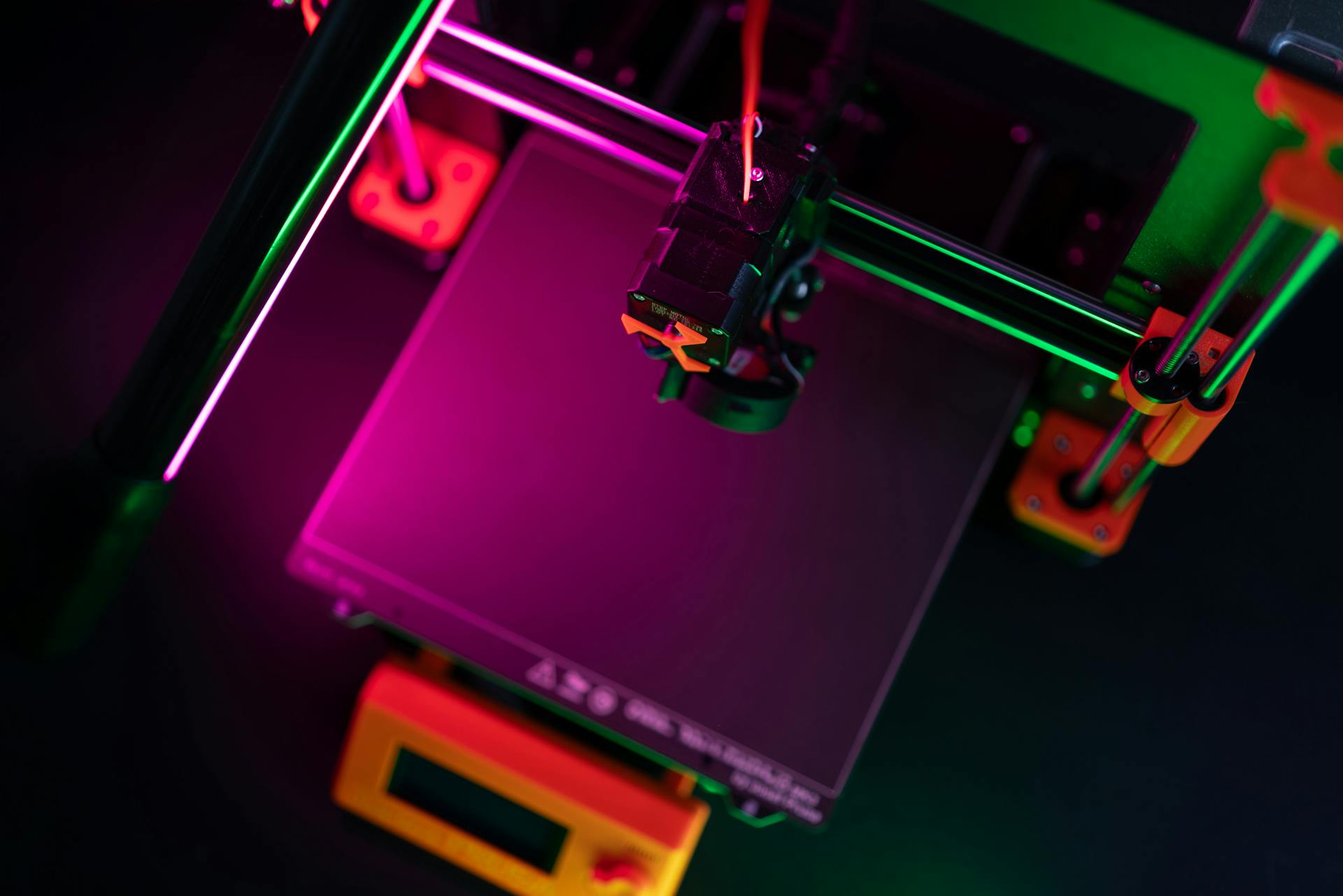
Prototype development is a vital stage in the product lifecycle. It transforms digital models into tangible parts that can be tested and evaluated under real-world conditions. Prototypes provide insight into functionality, ergonomics, structural performance, and manufacturability.
The prototype stage validates the design before committing to full-scale production. This minimizes financial risk and ensures that the final product meets technical and operational requirements.
Advanced prototype development may involve rapid manufacturing technologies such as CNC machining or additive manufacturing. These methods allow quick production of functional parts with high dimensional accuracy.
Rapid prototyping enables:
Early detection of design flaws
Testing of material performance
Verification of fit and assembly
Assessment of user interaction and ergonomics
By identifying improvements early in the process, engineers can refine the design efficiently.
Prototype development is often iterative. Feedback from testing leads to modifications in geometry, materials, or structural reinforcement. Updated 3D models incorporate these improvements, ensuring that the final design performs optimally.
This iterative cycle enhances product reliability and reduces the likelihood of post-production adjustments.
Tool design optimization focuses on refining molds, dies, and machining fixtures to maximize production efficiency and product quality. Using advanced 3D modeling and simulation tools, engineers evaluate how tools interact with materials during manufacturing processes.
Optimization may involve adjusting tool geometry, improving cooling channel placement, or enhancing structural reinforcement. These refinements improve cycle times, reduce material waste, and extend tool lifespan.
Simulation software allows engineers to test tool performance virtually. For example, material flow simulations in injection molding help predict how molten plastic fills a cavity. Similarly, forming simulations for metal stamping tools assess stress distribution and deformation behavior.
By analyzing these factors digitally, engineers can prevent defects such as warping, cracking, or uneven material distribution. This proactive approach reduces trial-and-error during physical testing.
Optimized tool designs are engineered for durability. Structural reinforcements, stress reduction features, and material selection strategies ensure that tools withstand repeated production cycles.
Through careful analysis and digital validation, tool optimization enhances long-term reliability and reduces maintenance requirements.
Engineering consultation is an integral component of 3D modeling services. Experienced engineers evaluate project requirements, production goals, and performance expectations before design begins.
Feasibility assessments consider factors such as material behavior, manufacturing constraints, load conditions, and environmental exposure. This ensures that designs are practical, cost-effective, and aligned with manufacturing capabilities.
Design for manufacturability is a key focus during engineering consultation. Engineers analyze how a component will be produced and identify opportunities to simplify geometry, reduce machining complexity, or improve mold efficiency.
This strategic planning minimizes production costs and shortens development timelines while maintaining structural integrity and performance standards.
Engineering consultation fosters collaboration between clients and design teams. Open communication ensures that technical challenges are addressed early and that solutions align with functional requirements.
Consultants provide guidance on material selection, tolerance management, assembly compatibility, and regulatory considerations. This collaborative approach enhances overall project success and reduces potential risks.
Modern 3D modeling services operate within integrated digital workflows. Design data transitions smoothly from modeling to simulation, prototyping, and production planning. This continuity minimizes errors and maintains consistency throughout the project lifecycle.
Digital documentation ensures traceability and simplifies future updates or modifications.
Accuracy is fundamental to effective 3D modeling. Dimensional precision, geometric consistency, and tolerance management are maintained through advanced software tools and rigorous design standards.
Precise modeling directly influences prototype accuracy and final product performance.
Ongoing refinement and analysis drive continuous improvement in modeling and design practices. Feedback from prototype testing and production outcomes informs future design strategies, ensuring progressive enhancement of efficiency and reliability.
3D modeling services combine advanced digital design capabilities with practical engineering expertise to deliver reliable and optimized solutions. Through comprehensive modeling, prototype development, tool design optimization, and professional engineering consultation, manufacturers provide complete support from concept to production readiness.
By visualizing products in detail, validating performance through simulation, and refining designs through iterative testing, 3D modeling reduces uncertainty and enhances manufacturing efficiency. Whether developing new components, improving existing tools, or optimizing production systems, this service plays a central role in modern engineering and industrial innovation.
Through precision, collaboration, and continuous technological advancement, 3D modeling services empower businesses to transform ideas into high-quality, production-ready solutions with confidence and reliability.


